
Paring & Petty Knives
Paring and petty knives are the small blades that handle all the detailed work a big knife cannot. A paring knife is the little pointed knife most kitchens rely on for peeling, trimming, coring and any close, in-the-hand task, while a petty is its slightly longer Japanese cousin, a small utility knife that bridges the gap between a paring knife and a chef's knife. Between them they cover everything from hulling a strawberry to slicing a shallot, and a good sharp one is often the knife you reach for most. Our range spans makers including KOTAI, KAI, MAC, Miyabi, Suncraft, Kasumi, Tamahagane and Zwilling, as single knives and in sets.
The distinction between the shapes is worth knowing, because the names vary between makers and regions. A paring knife is short, usually 7 to 10 cm, with a fine point for precision work in the hand. In the West a small knife like this is often loosely called a "vegetable knife," since peeling and trimming veg is its most common job, though in Japanese terms the true dedicated vegetable knife is the flat-bladed nakiri. A petty knife, often called a shotoh by Japanese makers such as Miyabi, is longer at around 12 to 15 cm and works as a small all-rounder on the board as well as in the hand. Some ranges also include a dedicated peeling knife, a very short blade, sometimes curved like a bird's beak, made specifically for peeling and turning vegetables. All are ground thin and keen in the Japanese tradition, so they cut cleanly through delicate produce rather than crushing it.
Key Features of Paring & Petty Knives
Paring Knives: Short blades around 7 to 10 cm with a fine point, for peeling, trimming, coring and close in-hand work.
Petty / Shotoh Knives: Longer small knives around 12 to 15 cm, a compact all-rounder for both board and hand. Shotoh is simply the Japanese name for a petty.
Peeling Knives: Very short blades, sometimes curved, made specifically for peeling and turning vegetables and fruit.
Blade Steel: Keen Japanese steels including VG-10, Damascus and powder steels, from everyday to premium.
Edge Angle: Ground thin and keen, typically around 15 degrees per side, for clean cuts through delicate produce.
Available As: Individual knives and multi-piece sets, several pairing a paring knife with a utility or chef's knife.
Best For: Detailed prep, peeling, trimming and small ingredients. Kept off bone and frozen food like all fine Japanese blades.


KOTAI Bunka Damascus Paring Knife 9cm


KOTAI Pakka Damascus Paring Knife 9cm


Kai Shun Kagerou Paring Knife 4" 10cm


Kai Seki Magoroku Shoso Paring Knife 3.5'' 9cm


Kai Seki Magoroku Composite Paring Knife 3.5" 9cm

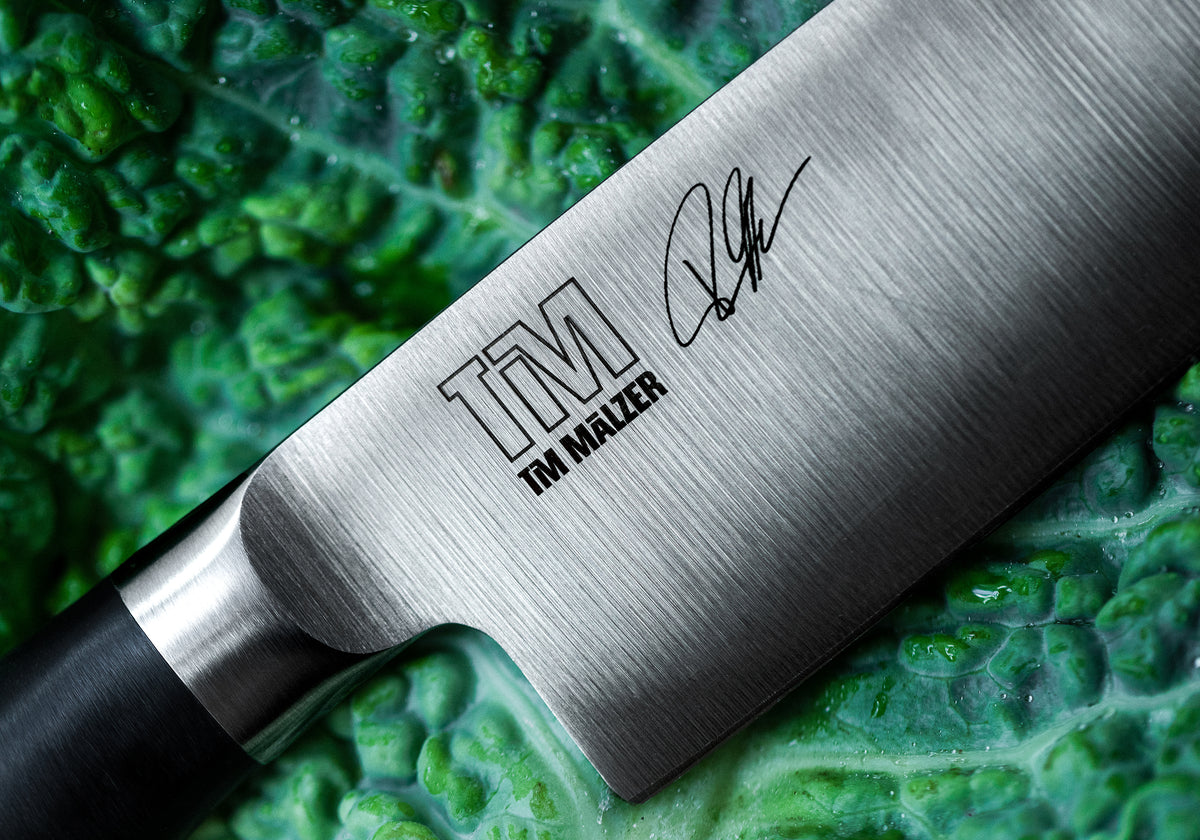


Tim Mälzer Kai Kamagata Paring Knife 4" 10cm


Tim Mälzer Kai Kamagata Paring Knife 3.5" 9cm


KAI Shun Premier Minamo Paring Knife 3.5" 9 cm


Kai Shun Nagare Black Paring Knife 3.5“ 9 cm


Kai Wasabi Black 3 Piece Knife Set


Kasumi Damascus Paring Knife 8cm


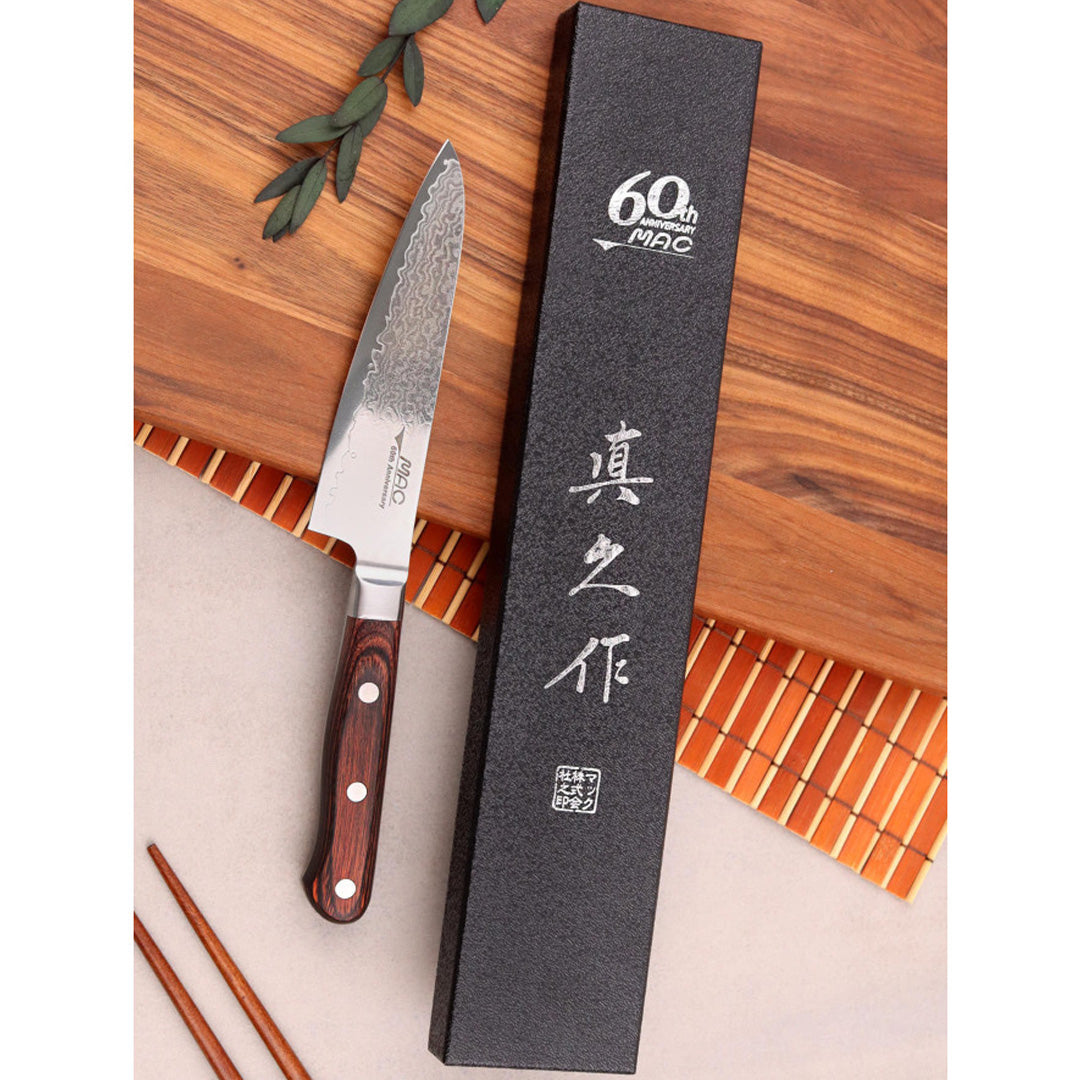
MAC Damascus 11.5cm Paring Knife


