
Chef Knives (Gyuto)
The chef's knife is the one blade that can handle the majority of everyday kitchen work, and the gyuto is its Japanese form. The two names describe the same knife: gyuto (牛刀) translates literally as beef sword, and it is Japan's take on the Western chef's knife, built with a long curved blade for slicing, chopping and general prep. The difference is not the shape but the execution. A Japanese gyuto is typically made from harder steel, ground thinner and sharpened to a keener angle than a traditional European chef's knife, which is why it cuts with noticeably less resistance. On this page you will see both names used, because our makers use both: KOTAI, Suncraft and MAC tend to call them gyuto, while KAI, Kasumi, Miyabi and Tamahagane often call them chef's knives. They are the same tool.
What defines a gyuto is a long blade with a curved belly and a pointed tip. Lengths usually run from 18 to 24 cm, the curve toward the tip supports both rock chopping and slicing, so a single knife covers vegetables, boneless meat and fish. Japanese gyuto are commonly ground to around 15 degrees per side, keener than the roughly 20 degrees typical of Western knives, and are usually double bevelled, which means they suit left and right handed cooks equally. Our range spans everything from practical everyday knives to premium Damascus blades, in steels from dependable stainless up to high-performance cores such as VG10, so there is a gyuto here for every level of cook and budget.
Key Features of Chef Knives and Gyuto
Blade Length: Typically 18 to 24 cm
Blade Profile: A curved belly and pointed tip, suited to rock chopping, slicing and general prep.
Edge Angle: Commonly ground to around 15 degrees per side, keener than the roughly 20 degrees typical of Western knives.
Bevel: Double bevelled as standard, suiting both left and right handed cooks. We also stock dedicated left-handed options such as from KAI Shun.
Steel: A wide choice, from dependable everyday stainless to high-performance cores such as VG10 and Damascus-clad blades.
Food Release: Some models, including MAC and KAI options, feature a hollow or scalloped edge with dimples designed to reduce sticking when slicing.
Best For: Almost all everyday cutting, from vegetables to boneless meat and fish. Like all thin Japanese blades, best kept away from bone and frozen food.


Kai Seki Magoroku Shoso Chef‘s Knife 8.25" 21cm


Kai Shun Kagerou Chef Knife 8" 20cm


Kai Seki Magoroku Composite Chef´s Knife 8" 20cm


Kasumi Damascus 3 Piece Set- Chef/Utility/Paring Knives
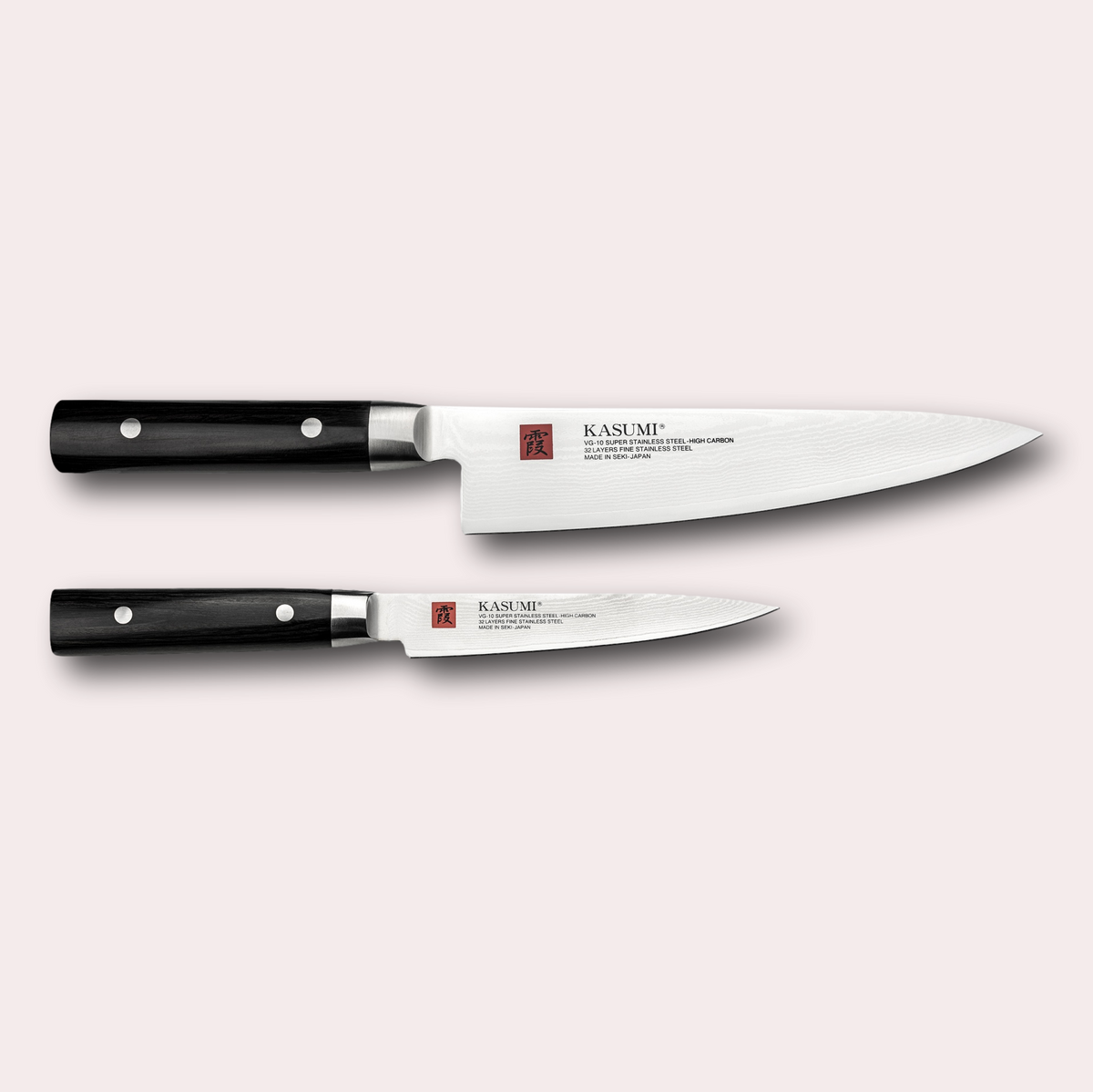
Kasumi Damascus 2 Piece Set - Chef/Utility Knives

Kai Seki Magoroku Shoso Chef's Knife 7" 18cm

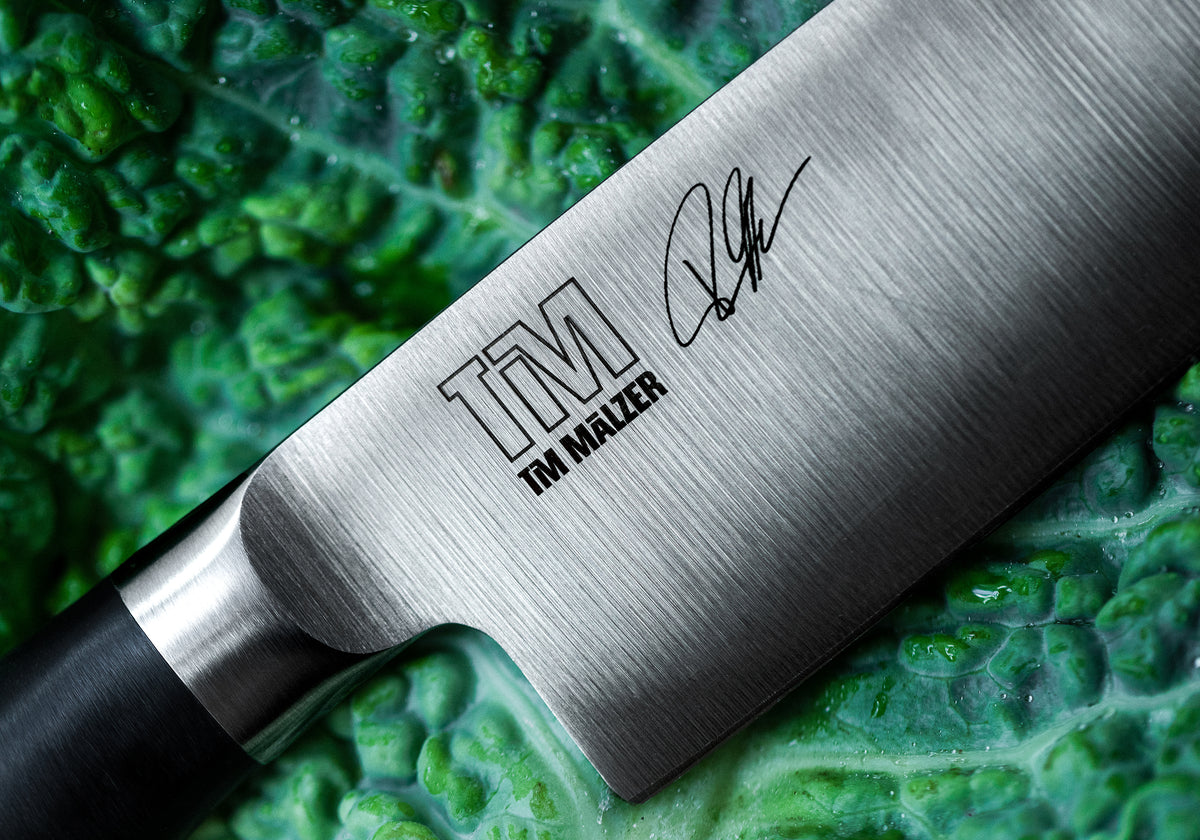


Tim Mälzer Kai Kamagata Hybrid Chef´s Knife 8" 20cm


Tim Mälzer Kai Kamagata Chef’s Knife 8" 20cm

Kai Seki Magoroku Shoso Chef‘s Knife 9.5" 24cm


Kai Shun Nagare Black Chef´s Knife 8“ 20 cm
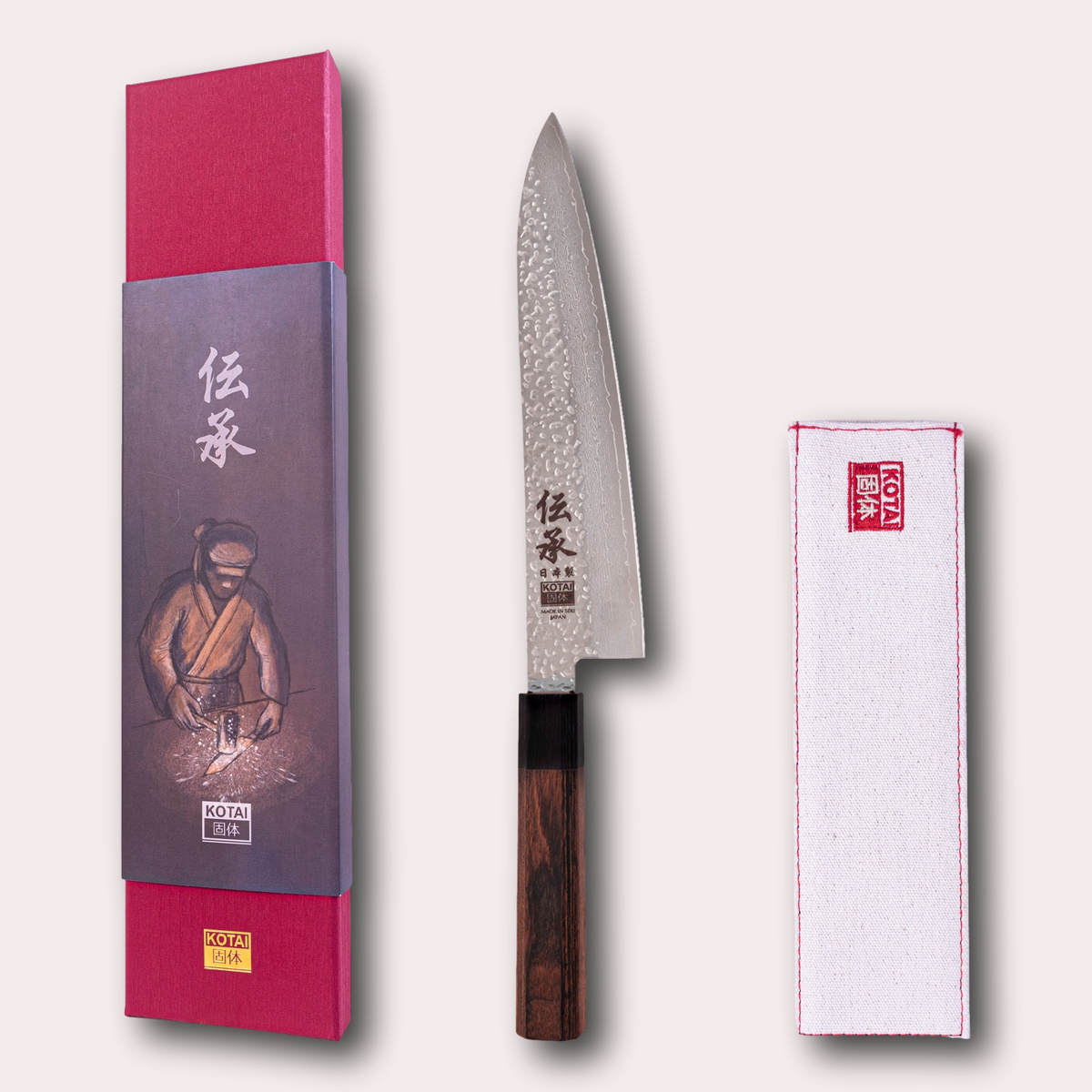


KOTAI Tsubame Gyuto Knife 21cm


KOTAI Hashi Damascus Gyuto Knife 20cm


KOTAI Hashi Tsuchime Gyuto Knife 20cm


KOTAI Hashi Classic Gyuto Knife 21cm


KOTAI Pakka Damascus Gyuto Knife 20cm


